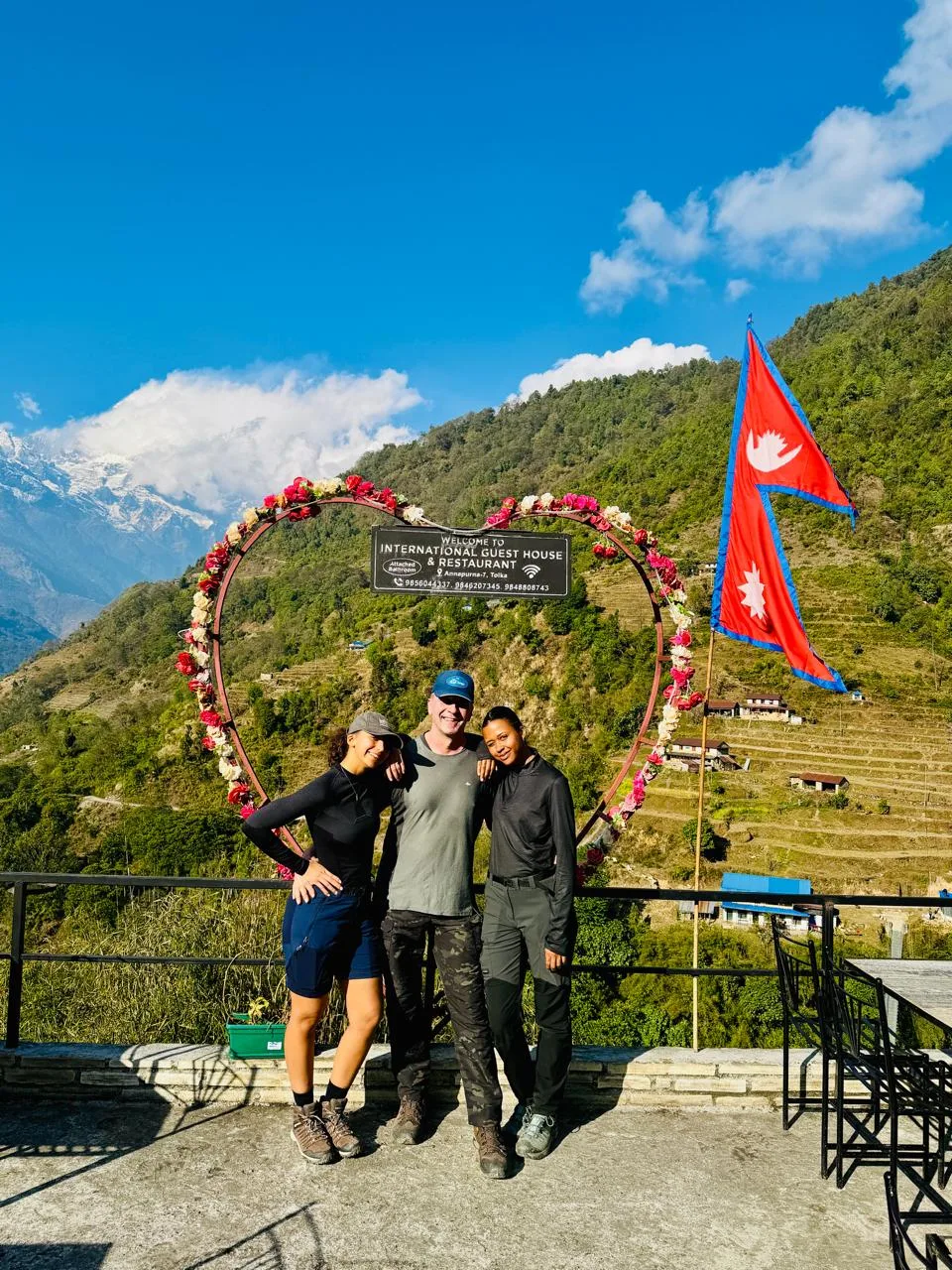
Annapurna Base Camp Trek Overview
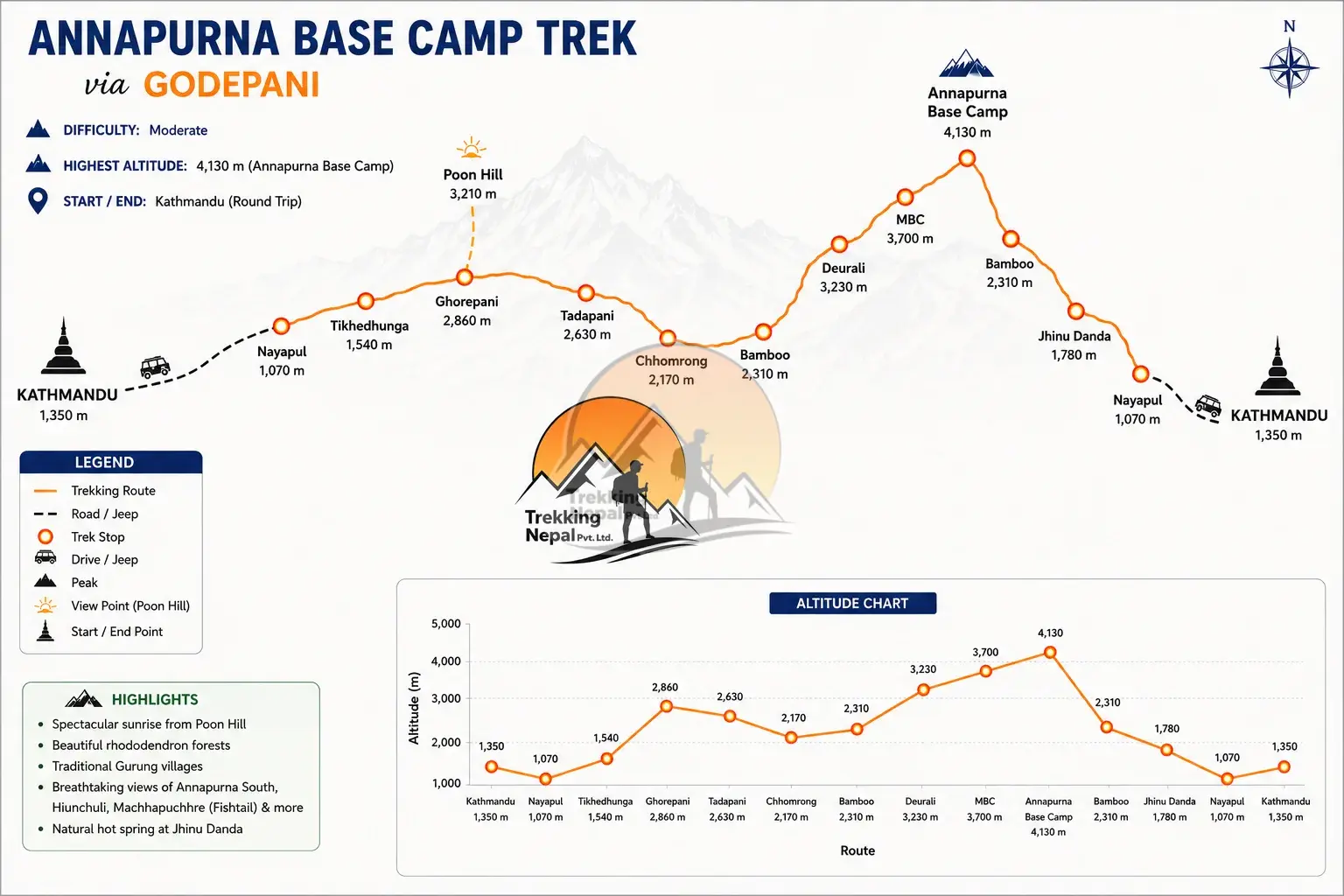
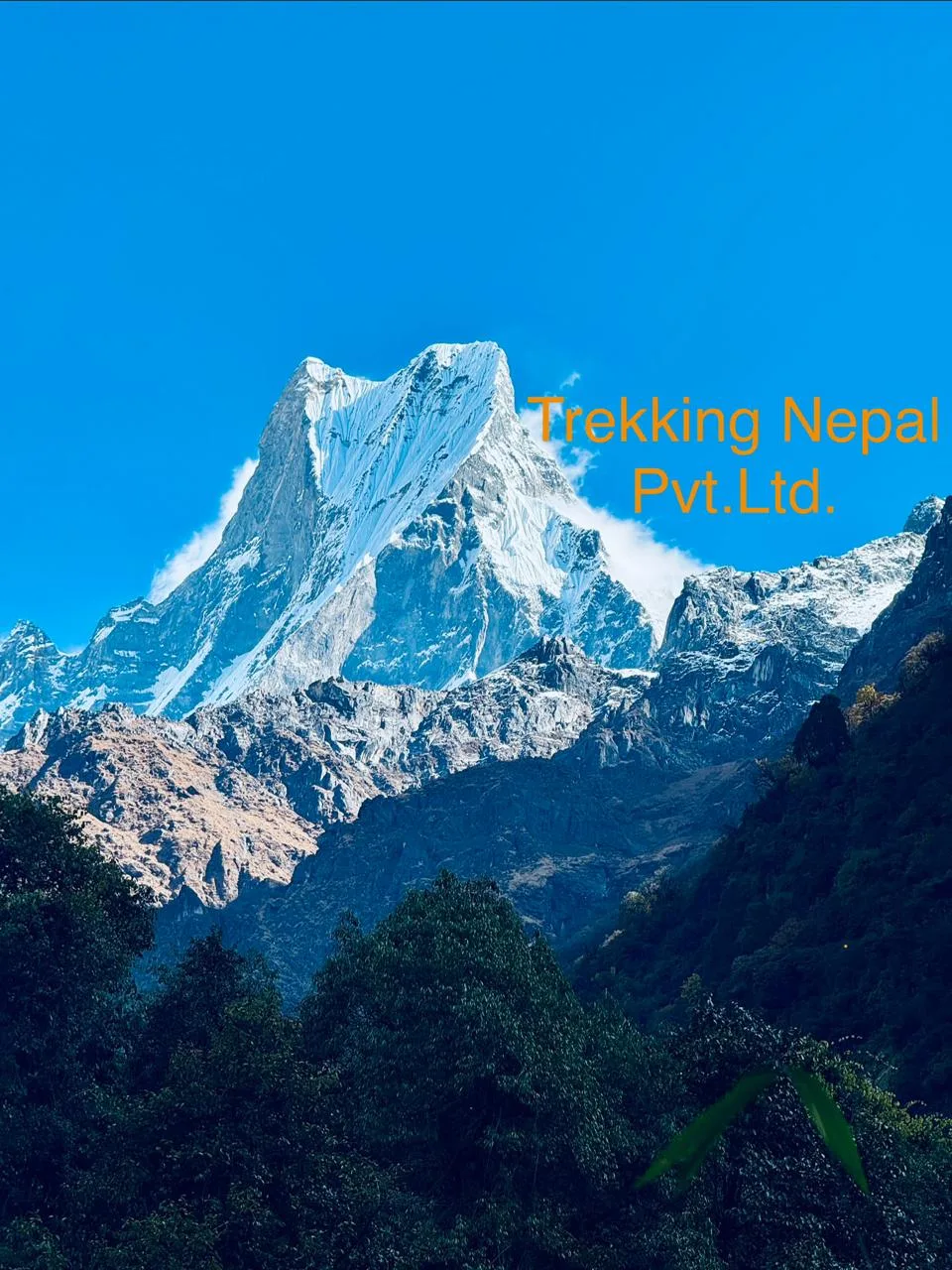
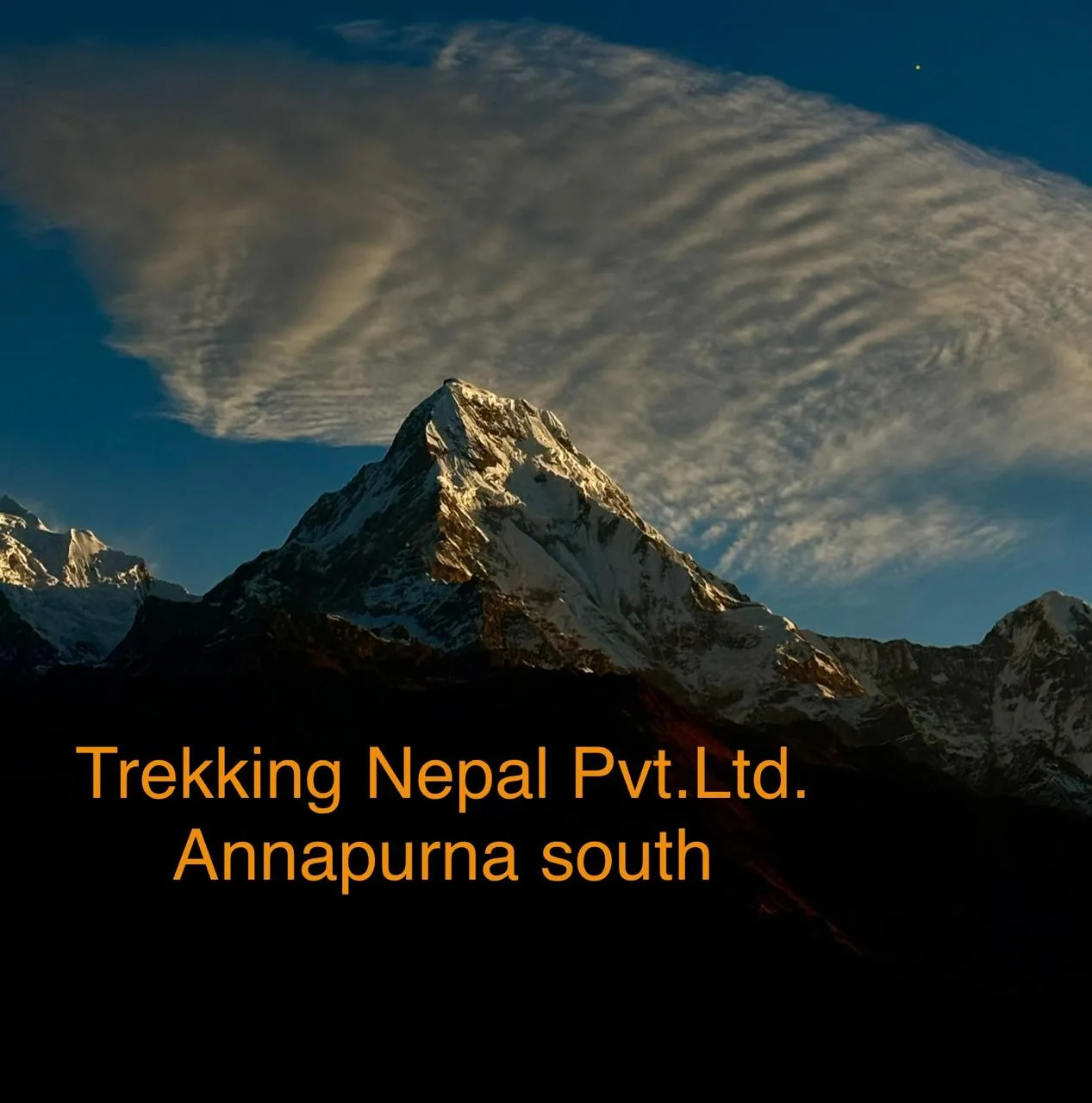
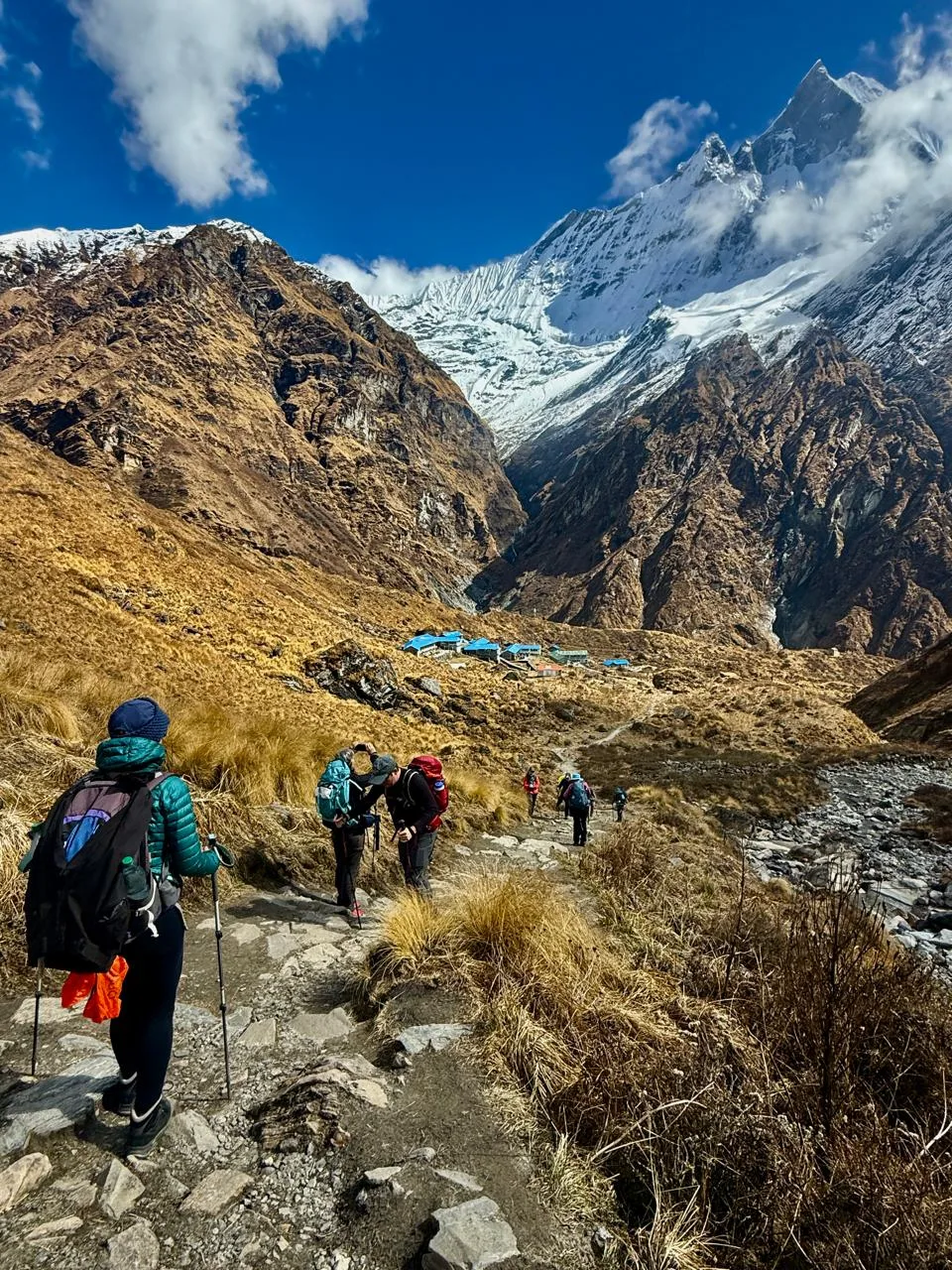
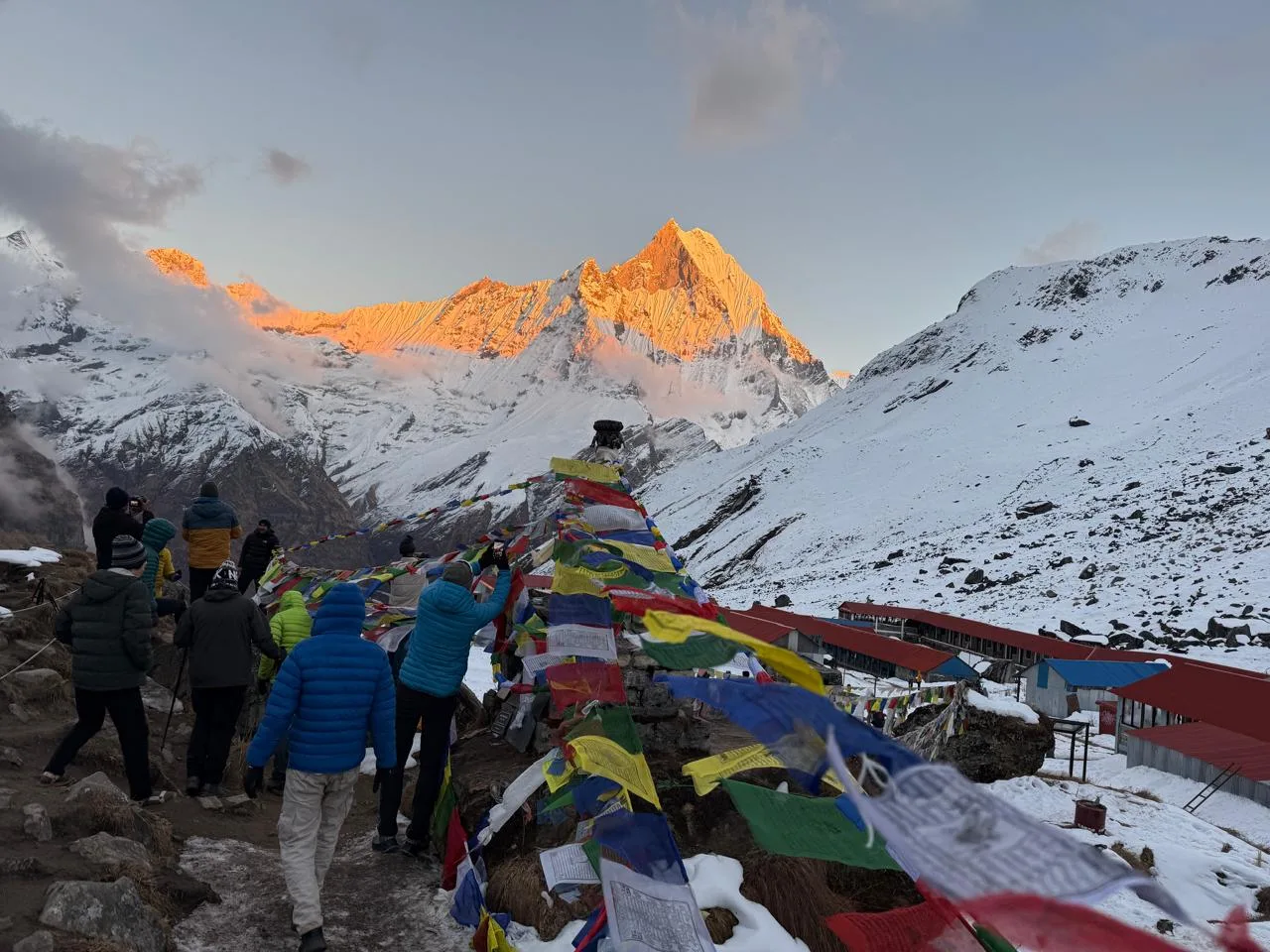
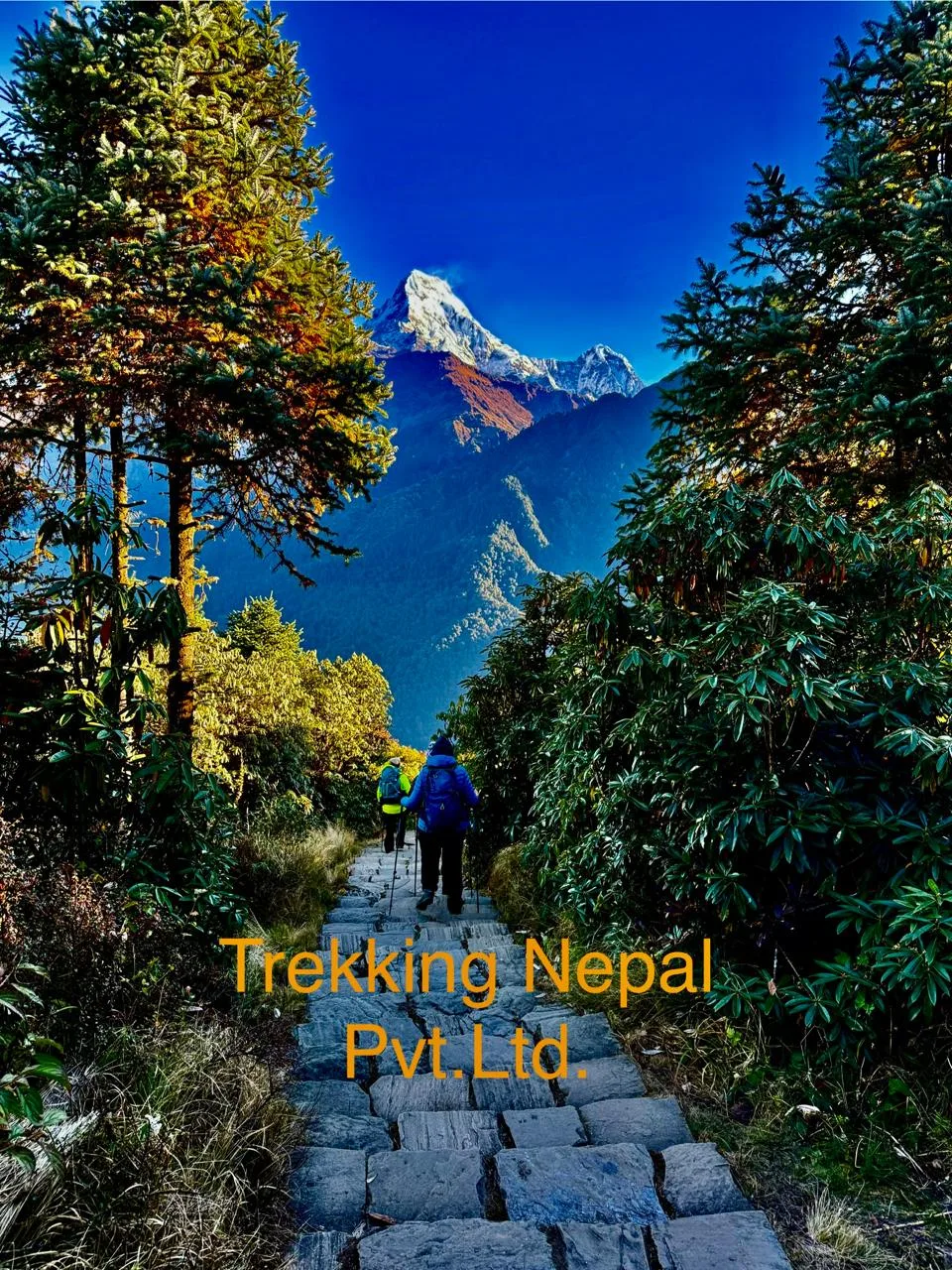
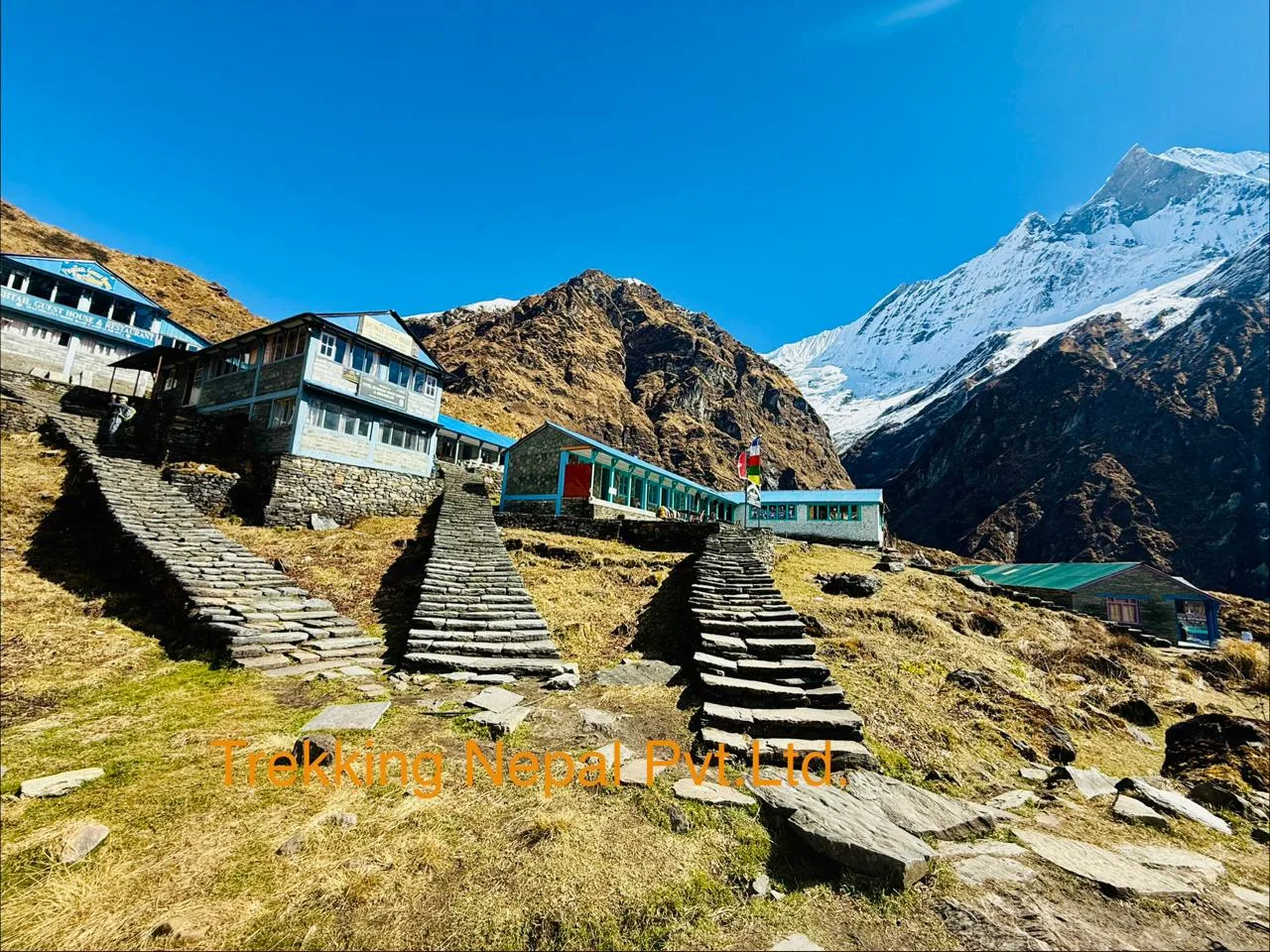
The Annapurna Base Camp Trek is one of Nepal’s most rewarding mid-altitude journeys. It takes trekkers deep into the Annapurna Sanctuary, a natural amphitheater surrounded by some of the world’s highest mountains, including Annapurna I, Machapuchare, Hiunchuli, and Annapurna South.
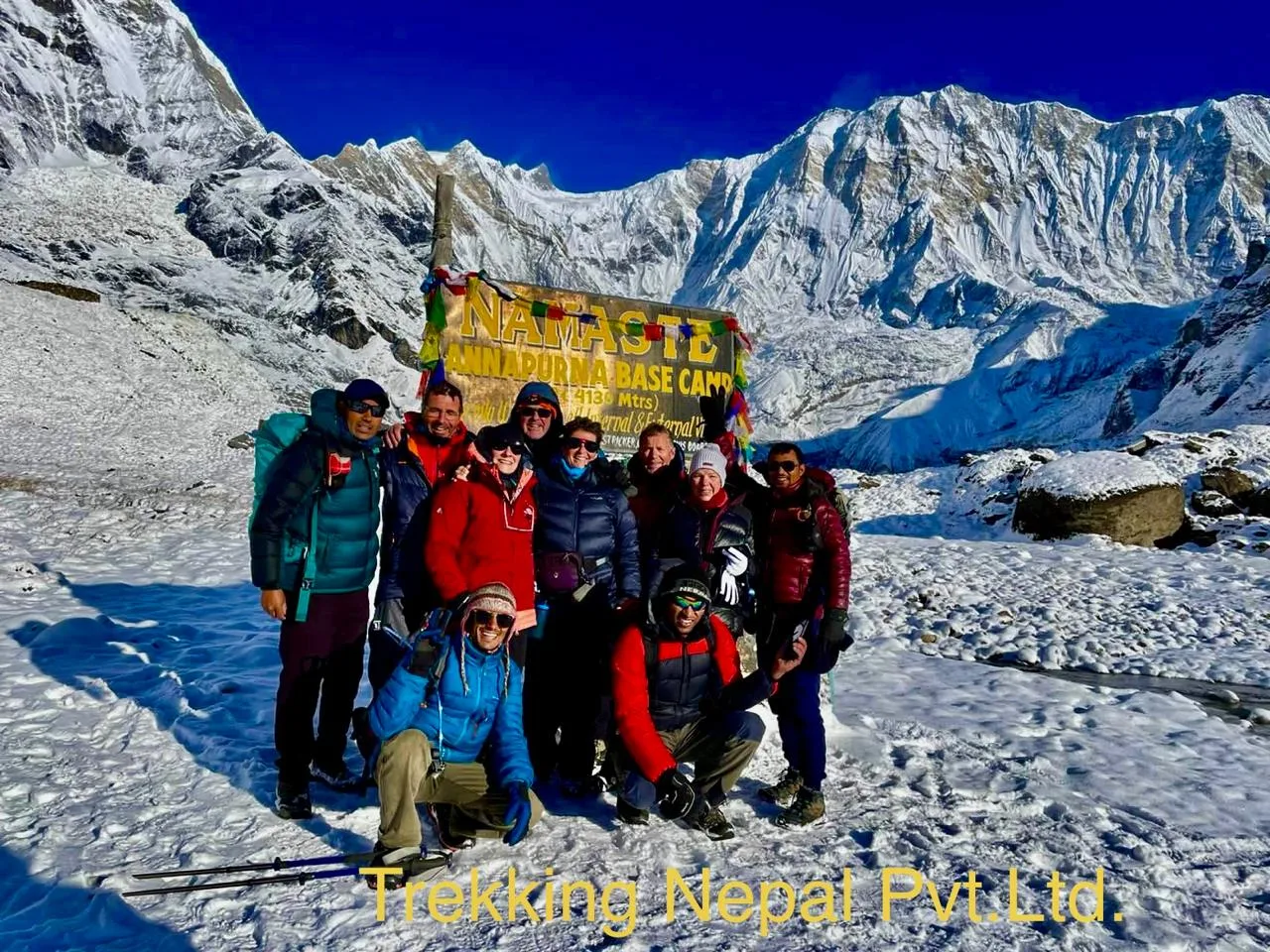
The trek blends varied landscapes with rich mountain culture. You walk through terraced farmland, rhododendron forests, traditional Gurung villages, and high alpine terrain before reaching Annapurna Base Camp at 4,130 meters. Despite its dramatic setting, the trek remains accessible to trekkers with moderate fitness and limited high-altitude experience.
Trekking Nepal designs this journey with a strong focus on safety, acclimatization, and comfort, while preserving the authentic spirit of the region.
Best Seasons to Trek
Spring Season (March to May)
Spring is one of the finest times to trek to Annapurna Base Camp. The weather is stable, temperatures are mild, and the forests are in full bloom with rhododendrons and wildflowers. Mountain views are generally clear in the mornings, and the trail is lively without feeling overcrowded.
This season is ideal for trekkers who enjoy color, moderate temperatures, and longer daylight hours.
Autumn Season (September to November)
Autumn is considered the peak trekking season. Post-monsoon skies are crisp, visibility is excellent, and daytime temperatures are comfortable. The trails are busier during this period, but the conditions are reliable and well suited for both first-time and experienced trekkers.
This is the best choice for those who prioritize clear mountain views and predictable weather.
Winter Season (December to February)
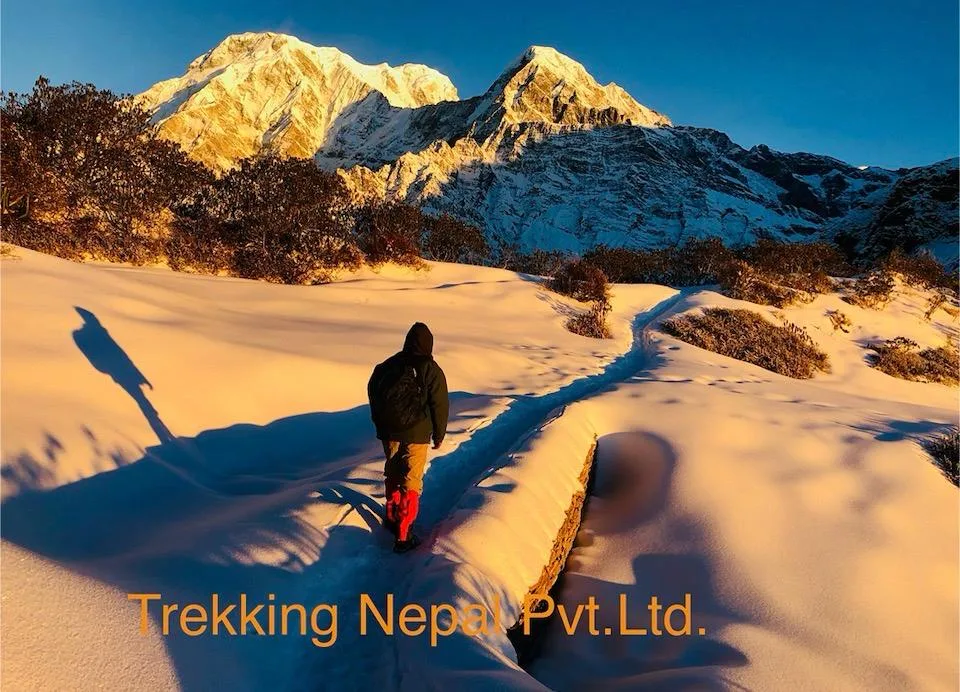
Winter trekking is possible but comes with cold temperatures, especially at higher elevations. Snowfall may block trails near the base camp on some days. Fewer trekkers are on the route, offering a quieter experience for those prepared for cold conditions.
This season is suitable for well-prepared trekkers seeking solitude.
Monsoon Season (June to August)
The monsoon brings heavy rain to lower elevations, slippery trails, and frequent cloud cover. While the Annapurna region receives less rainfall than eastern Nepal, trekking during this season is generally not recommended unless planned carefully.
Permits Required
To trek to Annapurna Base Camp, the following permits are mandatory:
Annapurna Conservation Area Permit (ACAP)
This permit allows entry into the Annapurna Conservation Area, which is managed to protect wildlife, forests, and local communities. The fee contributes directly to conservation and sustainable tourism efforts.
Trekkers’ Information Management System (TIMS) Card
The TIMS card is required for trekker safety and record keeping. It helps authorities track trekkers in case of emergencies and ensures responsible trekking practices.
Trekking Nepal arranges all necessary permits in advance, ensuring a smooth and hassle-free start to the trek.
Why Trek with Trekking Nepal
Trekking Nepal offers customized Annapurna Base Camp itineraries based on your time frame, fitness level, and travel style. Our approach emphasizes proper acclimatization, experienced local guides, and well-paced itineraries. From permit handling to logistics and on-trail support, every detail is managed with care so you can focus fully on the journey.
Explore the beauty of the Annapurna Region
Duration
group size
altitude
trip start
Best season
difficulty
fixed departure
detailed itinerary
Day 2: Ubud Cultural Tour
-
Breakfast at hotel
-
Visit Tegenungan Waterfall
-
Explore Ubud Monkey Forest and Royal Palace
-
Stroll through Ubud Art Market
-
View Tegalalang Rice Terraces
-
Coffee tasting at a local plantation
-
Optional: Balinese Cooking Class
-
Overnight in Ubud
Day 3: Temple Trail & Sunset
-
Breakfast at hotel
-
Visit Taman Ayun Temple and Ulun Danu Beratan Temple
-
Photo stop at Handara Gate
-
Late afternoon visit to Tanah Lot Temple
-
Enjoy a stunning sunset by the sea
-
Overnight in Seminyak or Ubud
Day 4: Adventure or Leisure Day
-
Option 1: Mount Batur Sunrise Trek (early morning start)
-
Option 2: White Water Rafting / ATV Ride / Jungle Swing
-
Option 3: Leisure day at beach or resort
-
Spa treatment (included)
-
Overnight in Ubud or Seminyak
Day 5: South Bali Exploration
-
Breakfast at hotel
-
Visit Garuda Wisnu Kencana Cultural Park
-
Explore Padang Padang Beach
-
Discover Uluwatu Temple and Kecak Dance performance at sunset
-
Optional seafood dinner at Jimbaran Bay
-
Overnight in Jimbaran or Nusa Dua
Day 6: Nusa Islands Day Trip
-
Optional full-day tour to Nusa Penida or Nusa Lembongan
-
Snorkeling, crystal-clear beaches, and dramatic cliffs
-
Return to mainland in the evening
-
Overnight in Seminyak or Nusa Dua
Day 7: Departure
-
Breakfast at hotel
-
Free time for shopping or relaxing
-
Private transfer to the airport for your departure
-
End of trip with unforgettable memories
inclusion
- Airport arrival and departure transfers as per the itinerary
- All ground transportation required for the trek, including tourist bus or private vehicle between Kathmandu and Pokhara
- Annapurna Conservation Area Permit and TIMS card, including all government taxes
- Experienced, licensed trekking guide provided by Trekking Nepal
- Porter service as per group size, with fair load limits
- Guide and porter wages, accommodation, meals, insurance, and equipment
- Teahouse accommodation during the trek on a twin-sharing basis
- Three meals per day during the trek: breakfast, lunch, and dinner
- Seasonal fruits during the trek
- Comprehensive first-aid kit carried by the guide
- Trekking Nepal duffel bag for the trek duration, if required
- All applicable local and government taxes
Exclusion
- International airfare to and from Nepal
- Nepal entry visa fees
- Travel and high-altitude rescue insurance
- Personal trekking equipment and clothing
- Meals in Kathmandu and Pokhara, except where specified
- Hot showers, bottled water, charging of electronic devices, and Wi-Fi during the trek
- Alcoholic beverages and soft drinks
- Personal expenses such as snacks, laundry, tips, and souvenirs
- Costs arising from itinerary changes due to weather, health issues, or unforeseen circumstances
- Emergency evacuation and medical expenses
- Any services not specifically mentioned in the inclusions section
similar packages
frequently asked Question
The best time to visit Bali is during the dry season from April to October, when the weather is sunny and perfect for beach activities and sightseeing.
Citizens of many countries, including Australia, can enter Bali visa-free for up to 30 days for tourism. Please check the latest requirements before travel.
The currency used in Bali is the Indonesian Rupiah (IDR). It's advisable to carry some cash, especially in rural areas.
Yes, Bali is generally safe for tourists. However, like any destination, take standard precautions with belongings and be cautious on roads or during water activities.